BEAUTY OF JOSEON 3D PRODUCT VISUALIZATION
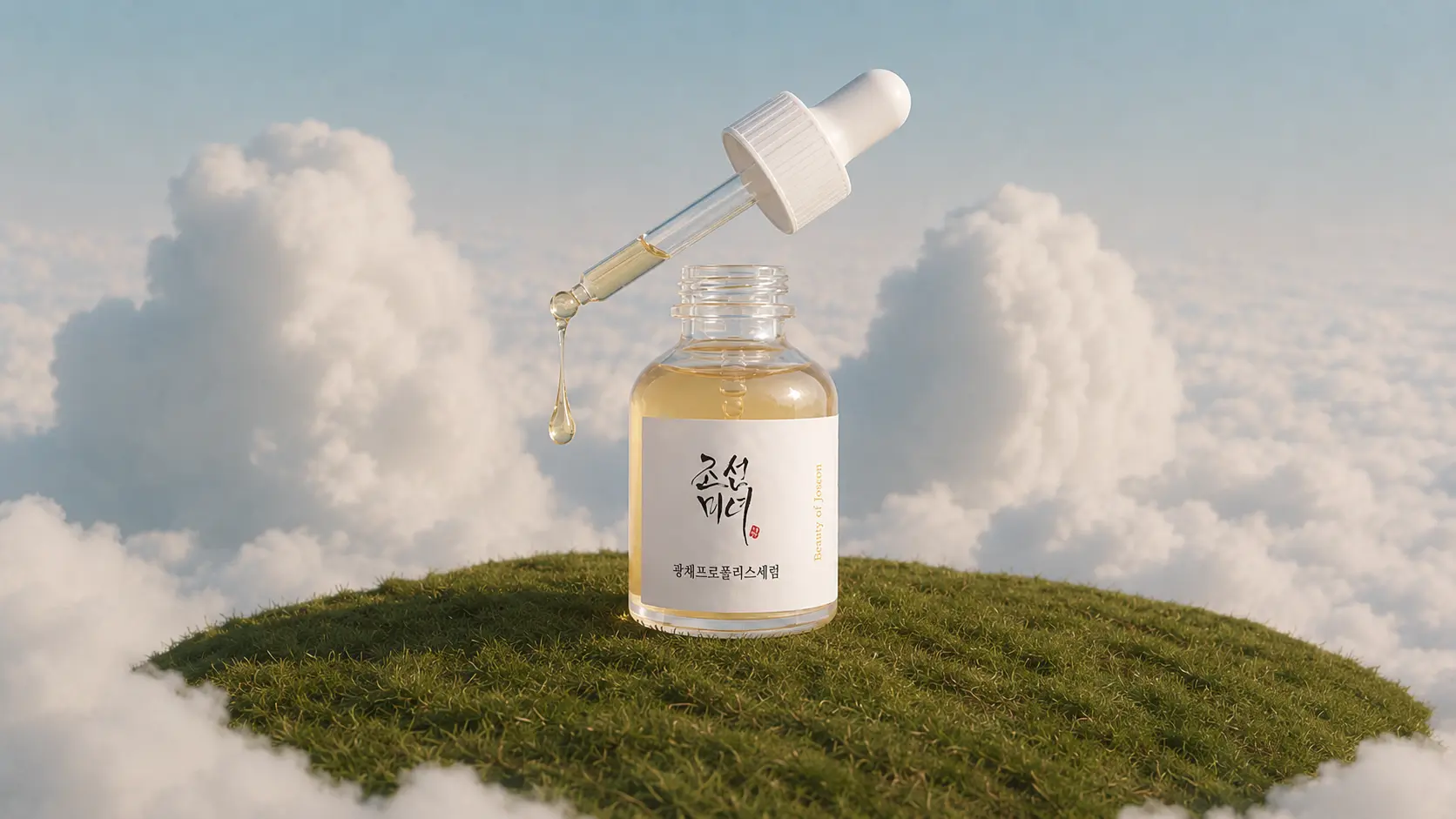
Delivered a full set of high-resolution product renders on schedule, within a single review cycle. The per-formula material system built here — optical setup tuned per substance, grain and displacement on print surfaces — became a reusable approach for later 3D work.
Skincare is sold on a feeling you can't photograph — how the balm catches light, how the serum holds a bubble. I built that feeling in 3D instead. This was also where I stopped treating "realistic" as a render setting and started treating it as a series of perceptual decisions — the origin of how I approach motion now.
Beauty of Joseon needed product visuals for packaging that had to read as real — closed and open, liquid and balm — before a photo shoot was viable. The real problem wasn't modeling. It was material honesty: a serum and a cleansing balm are the same bottle silhouette but completely different substances, and a viewer decides whether a product feels premium in the first 200ms, based almost entirely on how light behaves on the surface. Flat, generic reflections would have made both formulas look like the same plastic prop.
Behind the Renders
No art director, no 3D team. I ran client scoping (deliverables, revision rounds, a two-week schedule with one mid-project review), modeling and UV in Cinema 4D, texturing from client-supplied Illustrator labels, lighting, camera and environment setup, rendering in Octane, and Photoshop post-production through final color delivery.
Defined the shot list (closed + open packaging), locked texture references as Illustrator files, agreed on a two-week production window with one mid-point review, and finalized deliverables as high-resolution files. Fixing scope early is what made the material experimentation phase possible at all.
Rebuilt each package in Cinema 4D from physical dimensions. Applied the client's label artwork, then layered custom material effects — subtle noise and paper grain — so the labels read as printed on a product rather than pasted onto a mesh.
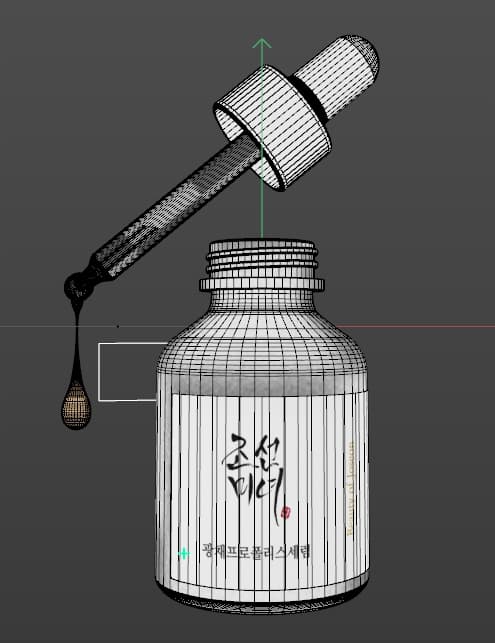
Built a clean studio environment and camera set, rendered in Octane, then composited cream and liquid textures against the packaging in Photoshop with final color grading for delivery.
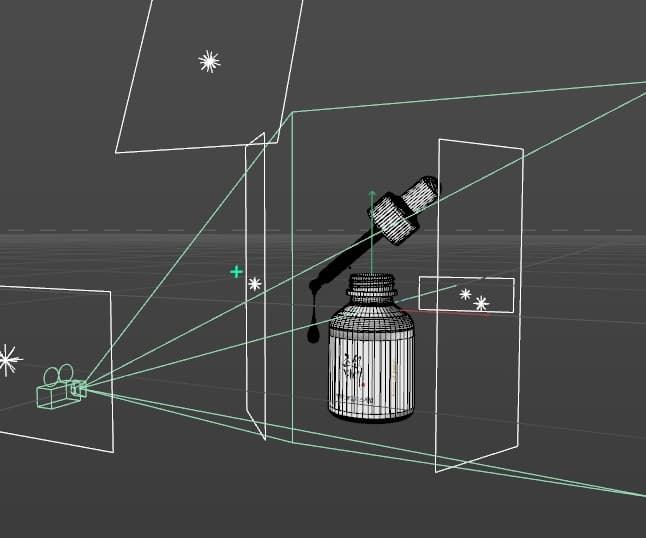
Material & Light Decisions
Liquid and balm were tuned separately in Octane rather than sharing a base material. Reflection and transparency values were adjusted per formula until each one read as its own substance at a glance.
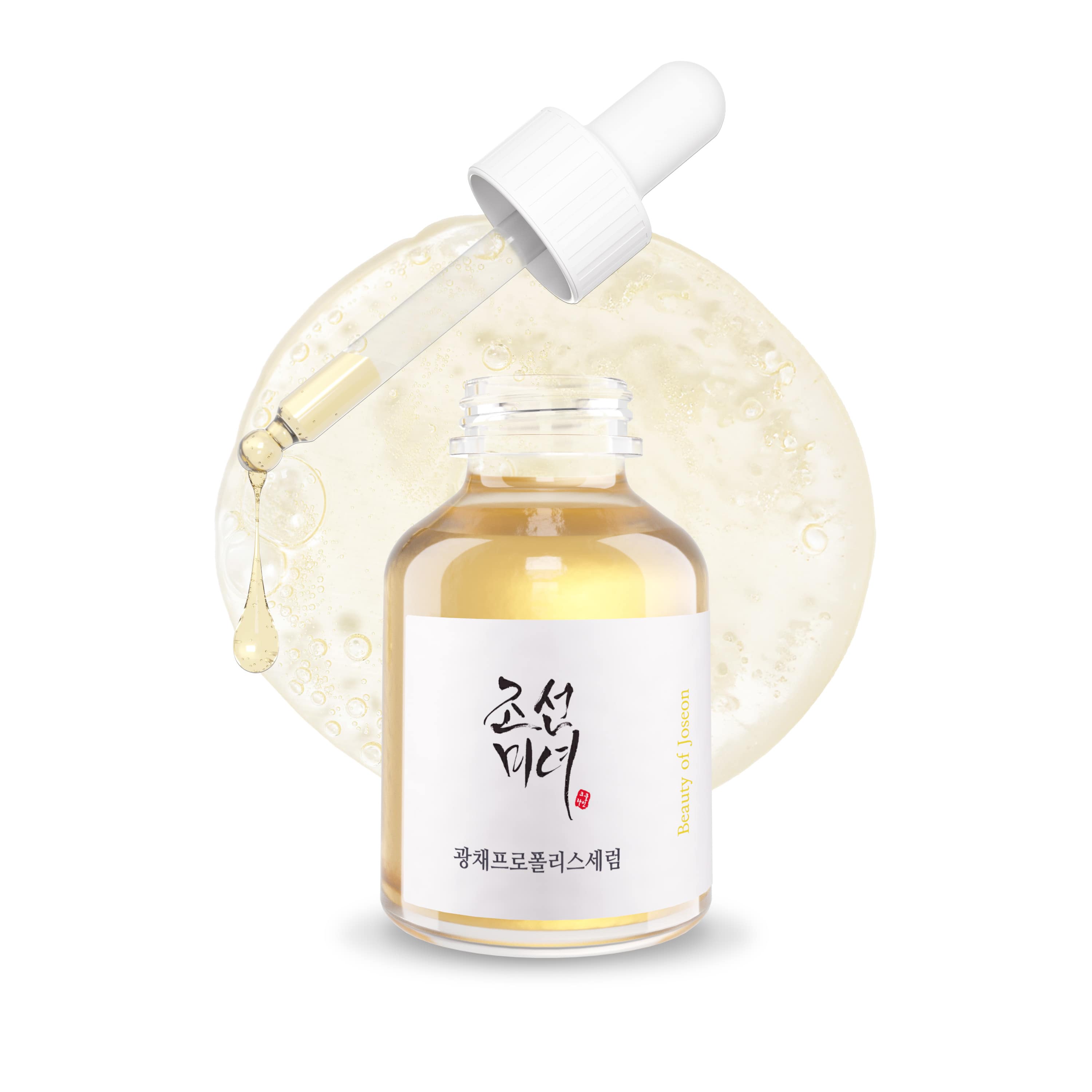
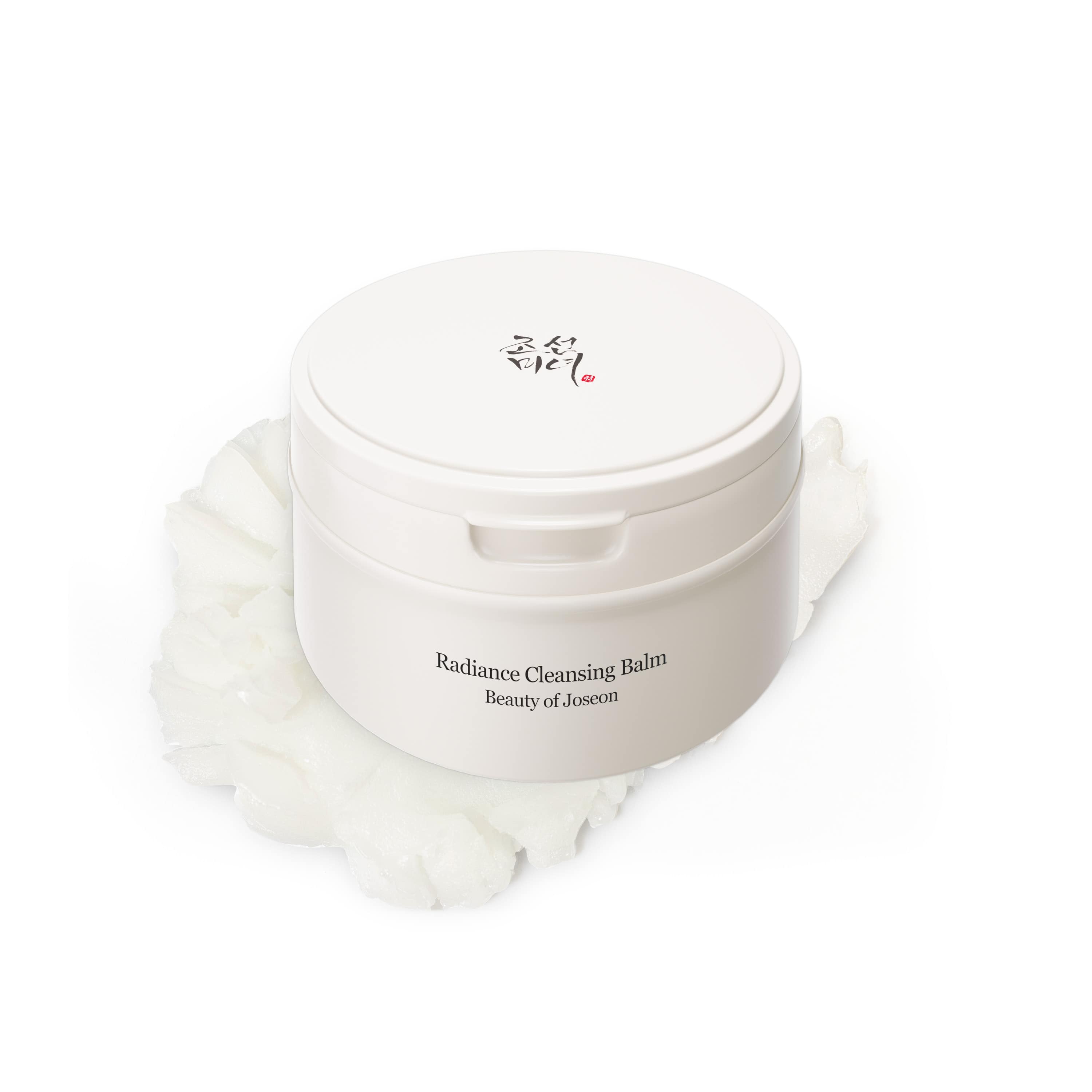
For the liquid, I used scattering to generate air bubbles suspended inside the product. Physically it's a small detail; perceptually it's the thing that tells the eye "this is a fluid," not tinted glass.
Print has texture. A perfectly smooth label reads as digital, so I added a fine paper grain to the label material.
Real paper never wraps a bottle perfectly flat. A subtle bump and displacement map introduced a slight crumple, so highlights break across the surface the way they do on an actual shelf product.
Every decision above is a judgment about how light behaves over a surface through time and angle. That's the same instinct I now apply to easing curves and transition timing — deciding what a user's eye should believe, and tuning until it does.
Gallery
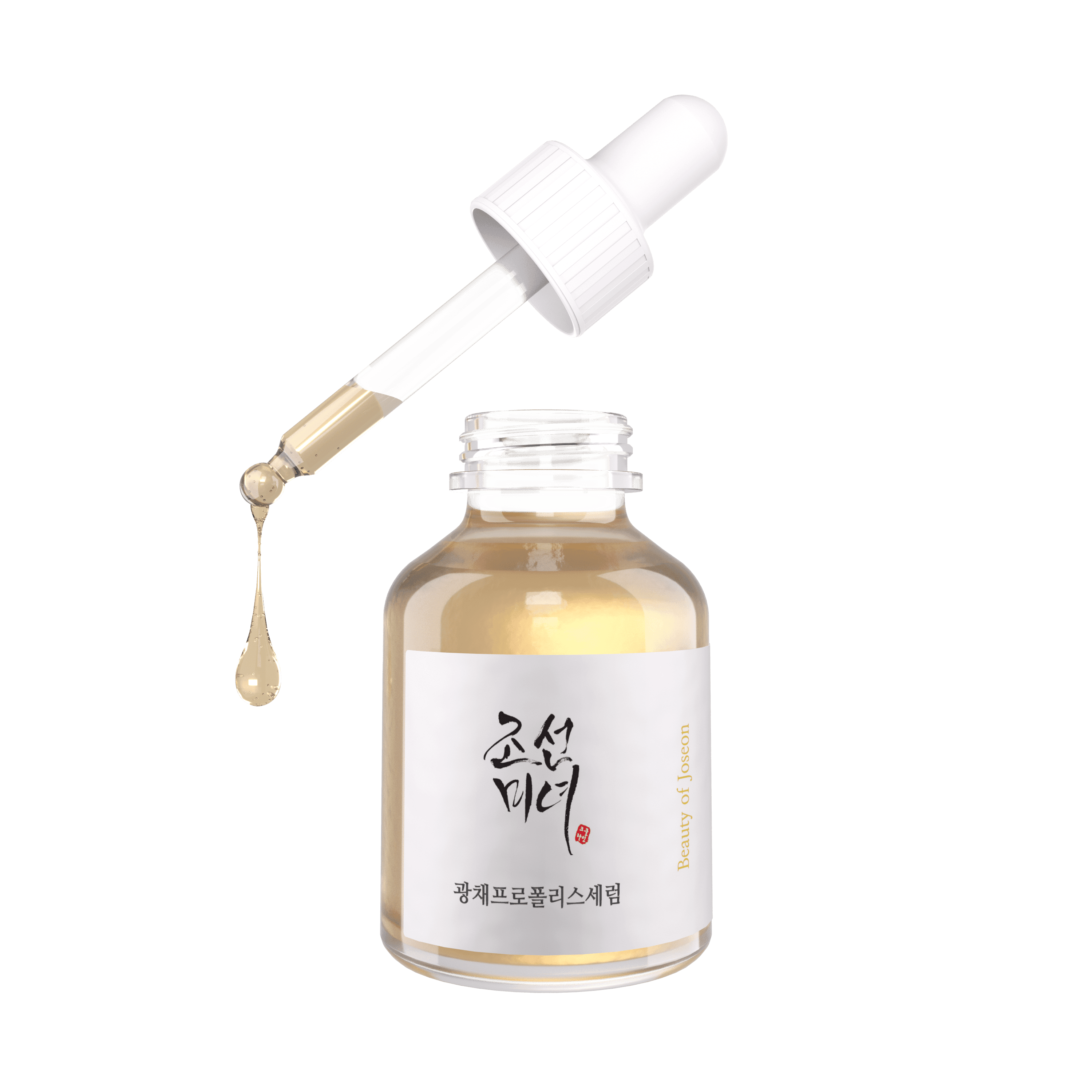
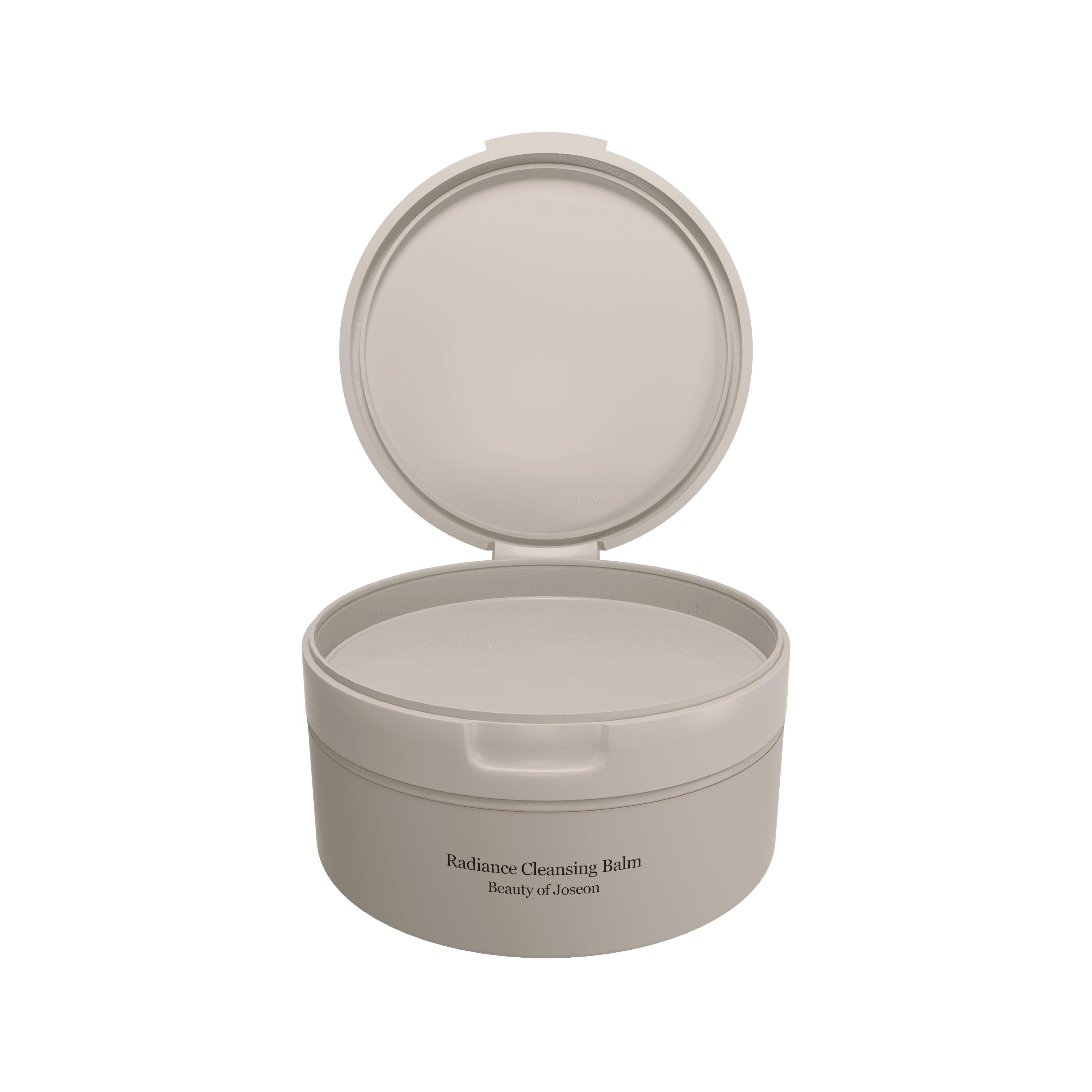
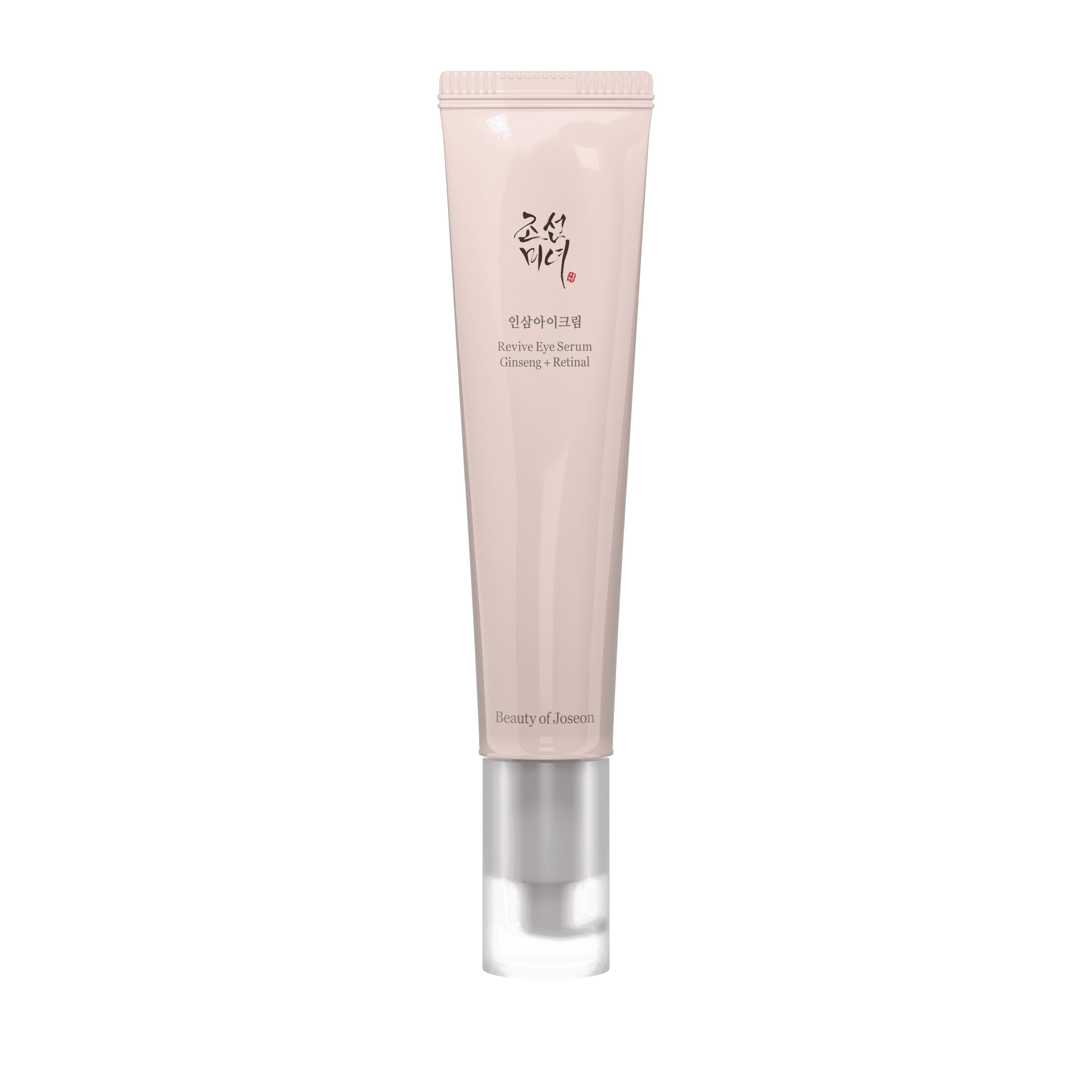
Cinema 4D · Octane Render · Photoshop · Illustrator. Output: high-resolution product images (JPG/PNG). Timeline: 3 weeks production + 1 week refinement.